
In the competitive landscape of automotive marketing, standing out is essential. Branded promotional products offer a unique avenue to engage customers, build loyalty, and drive sales. By exploring interactive giveaways, personalized merchandise, and strategic use of social media, brands can transform everyday interactions into memorable experiences. This article delves into innovative strategies that leverage promotional products to enhance customer engagement and boost brand visibility, ensuring that automotive businesses remain at the forefront of their industry.
Definition and Importance
Promotional products refer to tangible items, such as custom logo merchandise, utilized to promote a brand or message, enhancing customer recall by up to 70%.
Common choices include branded pens, tote bags, and drinkware, which not only serve practical purposes but also ensure that the brand remains visible on a daily basis.
For instance, research conducted by the Promotional Products Association International indicates that 79% of individuals can recall the branding on a promotional product they received within the past two years.
Employing tools such as Canva can facilitate the rapid creation of visually appealing designs for these items.
Ultimately, investing in promotional products can significantly enhance brand awareness and consumer engagement.
Overview of Automotive Marketing
Automotive marketing is centered on the promotion of vehicles and related services, with an anticipated industry growth rate of 5.5% annually over the next five years. In this dynamic landscape, promotional products play a crucial role in enhancing brand recognition and fostering consumer loyalty.
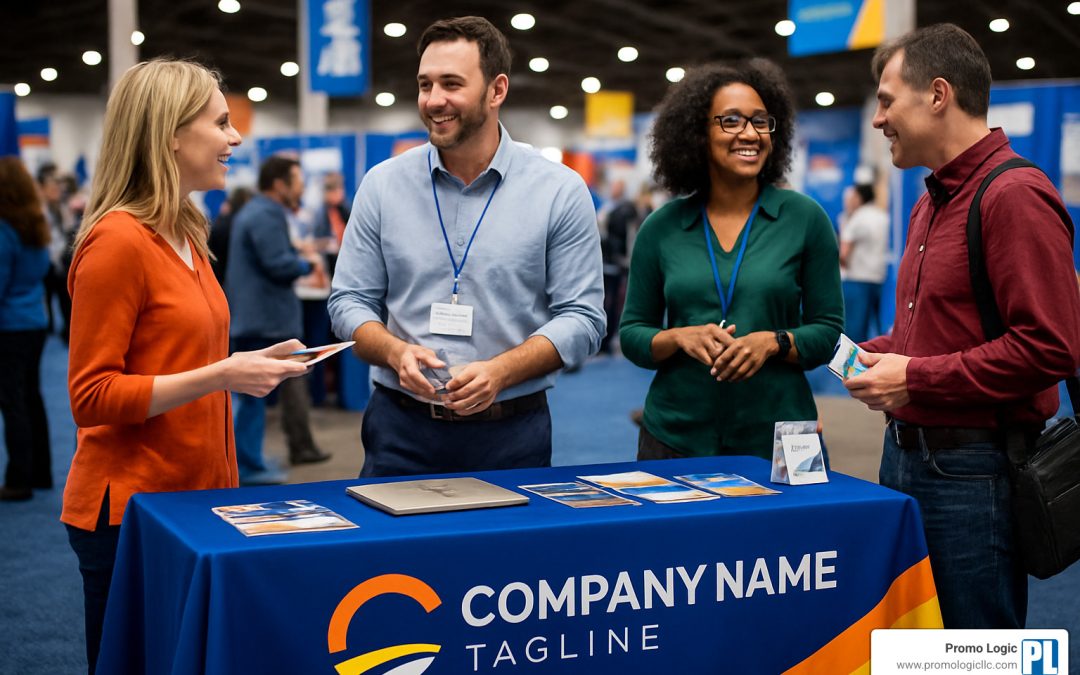
For instance, offering branded keychains, travel mugs, or eco-friendly tote bags at car shows can leave a lasting impression on potential customers. Prominent brands, such as Ford, have effectively implemented promotional campaigns that incorporate logoed merchandise, resulting in increased customer engagement.
Utilizing resources like PromoDirect for sourcing quality products or Vistaprint for customized branding can streamline the promotional process. By integrating these marketing strategies, automotive businesses can reinforce their connections with customers and differentiate themselves in a competitive market.
Enhancing Customer Engagement
Effectively engaging customers is crucial in today’s marketplace, as interactive giveaways have been shown to increase participation rates by more than 60%.
Interactive Giveaways
Implementing interactive giveaways can significantly enhance customer participation, thereby improving brand visibility and fostering stronger customer relationships.
- Select a suitable platform, such as Rafflecopter, which offers plans starting at $13 per month.
- Create engaging entry methods, such as encouraging participants to share the giveaway on social media, subscribe to newsletters, or answer a quiz related to the brand.
- Promote the giveaway across multiple channels, including email and social media, to maximize its reach.
- Consider offering tiered rewards; for instance, a small prize for the first 50 entries and a grand prize for the ultimate winner.
- Analyze post-giveaway metrics to evaluate engagement levels and refine strategies for future initiatives.
Event Sponsorships
Event sponsorships provide brands with a direct opportunity to engage with target demographics, as research indicates that 65% of consumers can recall brands associated with specific events.
When selecting the appropriate events for sponsorship, it is essential to focus on key metrics such as audience size, demographics, and engagement levels. Utilizing tools like Eventbrite can facilitate the analysis of past event performance and aid in tracking the return on investment (ROI).
For example, it is prudent to seek events that cater to a clearly defined target audience that aligns with your customer base. Additionally, reviewing social media engagement from previous years can provide insights into interest levels.
This data-driven approach ensures that sponsorship efforts are in harmony with marketing objectives and effectively maximize visibility.

Building Brand Loyalty
Developing brand loyalty is essential for achieving long-term success, as evidenced by 73% of consumers indicating that personalized merchandise significantly impacts their loyalty to a brand.
Personalized Merchandise
Personalized merchandise has the potential to enhance customer retention rates by as much as 40%, making it a significant asset in fostering brand loyalty.
To effectively create personalized products, it is advisable to utilize platforms such as Zazzle and Vistaprint.
For instance, one could design custom tote bags on Zazzle that prominently feature the brand’s logo alongside engaging quotes tailored to resonate with the target audience. On Vistaprint, businesses have the opportunity to create distinctive business cards incorporating personalized graphics.
Successful marketing campaigns frequently emphasize limited-time offers, including seasonal designs or personalized items for special events, which can generate a sense of urgency and encourage purchases.
Additionally, tracking customer insights through these platforms can help refine product offerings and further enhance the level of personalization.
Exclusive Membership Programs
Exclusive membership programs can significantly enhance customer loyalty, with recent studies indicating a potential 20% increase in repeat purchases.
To design effective membership programs, it is advisable to offer tiered rewards based on spending levels. This approach is exemplified by Amazon Prime’s strategy, which provides exclusive access to deals, free shipping, and streaming services.
Utilizing tools such as Smile.io can facilitate the creation of customizable loyalty programs that motivate purchases through points redeemable for discounts or special products.
Furthermore, integrating periodic promotions, such as limited-time offers or early access to sales, can sustain customer engagement. Regular analysis of customer feedback and adjustments to rewards can further strengthen loyalty and drive repeat business.
Boosting Sales and Promotions
Promotional strategies, such as seasonal campaigns, have the potential to increase sales by as much as 30% during peak periods, particularly within the automotive industry.
Seasonal Campaigns
Seasonal campaigns play a pivotal role in capturing consumer interest, with brands reporting a 25% increase in engagement during holiday promotions. To develop effective seasonal campaigns, it is advisable to follow these steps:
- Begin by selecting promotional products that align with the season; for instance, consider cozy blankets for winter or outdoor gear for summer.
- Plan your campaign timeline to launch at least four weeks prior to the holiday, thereby allowing for a period of pre-order excitement.
- Utilize social media platforms such as Instagram and Facebook for targeted advertising, incorporating compelling visuals alongside special offers.
- Monitor engagement metrics to adapt your strategy in real-time, ensuring that your campaign not only launches effectively but also evolves in response to shifting consumer interests.
Referral Programs
Referral programs have the potential to generate up to five times more sales than traditional marketing methods, positioning them as a highly effective component of promotional strategies.
To design an effective referral program utilizing promotional products, it is essential to first define the target audience and identify the factors that motivate them.
For instance, an automotive company might consider offering branded keychains or discount vouchers for each successful referral. A case study from Company X demonstrated that offering a complimentary oil change as an incentive resulted in a 40% increase in referrals within a three-month period.
Employing tools such as ReferralCandy or Yotpo can facilitate the tracking of referrals and the automation of rewards. By ensuring a seamless and engaging experience for participants, the likelihood of the program’s success is significantly enhanced.
Utilizing Social Media and Online Presence
Effectively leveraging social media can result in a 40% increase in marketing return on investment (ROI), with promotional products serving a significant role in enhancing campaign effectiveness.
Shareable Content and Contests
Conducting contests that feature shareable content has been shown to enhance brand engagement rates by over 50%, thereby driving both traffic and customer loyalty.
To develop effective contests on platforms such as Instagram and Facebook, it is advisable to follow these structured steps:
- Begin by establishing clear objectives: Determine whether the aim is to increase followers, enhance engagement, or drive website traffic.
- Select a compelling theme that resonates with your target audience, such as seasonal promotions or user-generated content.
- Employ tools such as Canva to create visually appealing graphics and Hootsuite for scheduling posts to maximize reach.
- Assess success by utilizing metrics such as likes, shares, and comments to effectively evaluate which types of content drive engagement.
Influencer Partnerships
Influencer partnerships have the potential to generate up to 11 times the return on investment (ROI) compared to traditional advertising methods, particularly when incorporating promotional products.
To engage influencers effectively, it is essential to identify individuals whose values align with your brand. Utilizing tools such as BuzzSumo or Upfluence can assist in analyzing the audience engagement of potential partners.
Once you have selected your influencers, consider providing them with promotional products that resonate with their followers. For example, if your company offers eco-friendly products, you might consider gifting reusable bags or other sustainable items.
It is important to tailor your messaging around how these products enhance the influencers’ lifestyles, increasing the likelihood that they will share your brand authentically. Additionally, tracking campaign metrics will enable you to refine and improve future collaborations.
Frequently Asked Questions About Branded Promotional Products In Automotive Marketing
Q: How can automotive businesses use branded merchandise creatively?
A: Dealerships and shops can use branded items as service thank-yous, test drive gifts, showroom giveaways, or part of loyalty programs. They can also bundle items into themed kits—such as winter care or road trip packs—to make them more memorable.
Q: What branded items work best for automotive marketing?
A: Keychains, ice scrapers, emergency kits, tire pressure gauges, and car organizers are especially effective. These items live in the vehicle, so they’re seen regularly in exactly the environment where your services are relevant.
Q: Do branded items help improve customer retention?
A: Yes, when customers associate your brand with helpful, well-timed gifts, they’re more likely to return for future services. The items also serve as handy reminders when it’s time for an oil change, inspection, or new vehicle.
Q: Can auto shops order branded items in small quantities?
A: Many products now offer flexible minimums, which means smaller shops can still run promotions without overcommitting to inventory. This makes it easier to test different ideas and see what connects with customers.
Q: How does branded merchandise support customer trust?
A: Thoughtful, practical items communicate that you’re invested in your customers’ safety and comfort, not just the sale. Over time, that builds trust and positions your business as a reliable partner.
Q: Are branded gifts effective at trade shows or community events?
A: Absolutely—automotive-themed giveaways tend to draw attention and start conversations at events. When chosen well, they also continue working for you long after the event ends.
